
Why licensed venues are harder than offices
Spilt beer, cider and mixers leave sugar on every surface they touch. Sugar dries into a film that grabs dirt, so a floor mopped with plain hot water can look clean at midnight and feel sticky by the following evening. Add fryer vapour drifting from the kitchen, heavy footfall on wet nights and toilets used by hundreds of people in a few hours, and you have a site that an office cleaning routine was never written for.
What the clean should cover, area by area
A written specification for a pub or bar normally breaks down like this. Each line is something that gets checked, not something that happens when there is time.
- Bar tops, bar fronts and foot rails degreased and dried so they do not streak under lights
- Drip trays, back bar shelves and the floor behind the bar, where spills collect out of sight
- Tables, chairs and fixed seating wiped on every surface, including the undersides people grip
- Hard floors scrubbed with a cleaner that breaks down sugar rather than spreading it
- Toilets, urinals and hand basins descaled and sanitised, with bins emptied and consumables restocked
- Entrance, smoking area and beer garden swept and litter picked, because that is the first impression
- Glass, mirrors and touch points such as door plates, card machines and handrails
Nightclubs and late venues
Clubs push everything further: longer hours, darker rooms where mess goes unnoticed until the lights come up, and dance floors that take the heaviest traffic in the building. The approach is the same but the order changes. Toilets and floors come first because they carry the hygiene risk, then bars, then seating and décor. Deep work such as machine scrubbing of the dance floor or high-level dusting of lighting rigs is scheduled as a periodic task rather than squeezed into a nightly visit.
Timing around licensing hours
The clean should be booked around your trading pattern, not a contractor's preferred slot. Most venues choose an early-morning visit so the building is ready before deliveries and opening prep. Busy weekends often justify an extra visit, while a quiet Monday might only need toilets and floors. We build the rota around your hours, and our commercial work can run out of hours and at weekends.
Smell is usually a drainage and grout problem
When a venue smells stale even after cleaning, the cause is rarely the visible surfaces. It is usually spilt drink soaked into grout lines, urine residue around the base of urinals, or floor drains and gullies that have not been flushed. Masking it with fragrance works for an hour. Treating the grout, the base of sanitaryware and the drains is what removes it.
Where kitchens fit in
If your pub serves food, the kitchen needs its own specification because grease and food safety bring different chemistry and different checks. Our guide to cleaning a commercial kitchen safely covers that side in detail. Front-of-house and kitchen can be cleaned on the same visit or on separate rotas, depending on when the chefs finish.
Beer gardens and outdoor areas
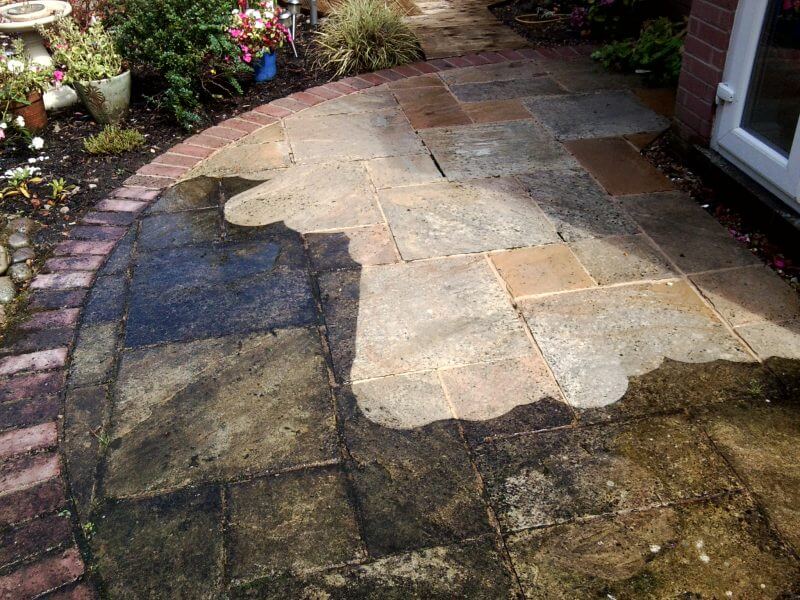
Outdoor seating, smoking shelters and paved areas are part of the customer's experience too. Bins, cigarette ends and spilt drinks on paving attract pests and leave stains. Regular sweeping and litter picking keeps them presentable, and periodic jet washing lifts the staining and algae that build up on paving over time.
The service behind this guide
Reliable, contracted cleans for offices, retail, gyms & industrial units.
See Commercial Cleaning