
Why it happens
Dry dusting and standard vacuums re-suspend fine particles into the air, where they stay for hours before settling somewhere else. The room looks cleaner and the air is briefly worse.
What to do about it
Capture rather than displace.
- Use HEPA-filtered vacuums rather than standard domestic units
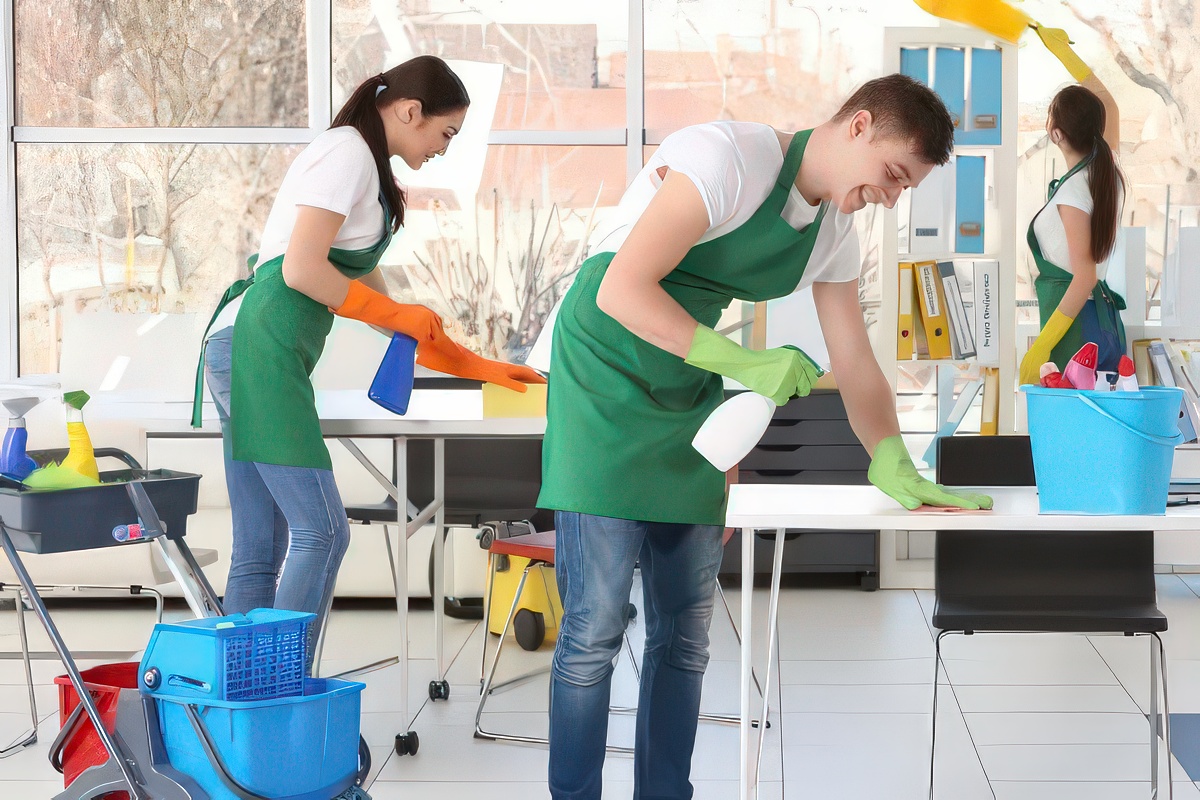
- Damp-wipe hard surfaces instead of dry dusting them
- Work top down so anything disturbed lands on surfaces still to be cleaned
- Do not forget soft furnishings, curtains, mattresses and upholstery
- Address radiator backs, vents and skirtings — significant reservoirs, rarely touched
- Ventilate during and after cleaning to clear anything that did go airborne
The mistake to avoid
Avoid feather dusters and dry cloths on hard surfaces. They are efficient at redistributing dust and poor at removing it.
How we handle it
A deep clean is the reset your home needs — every corner, every skirting, every fitting cleaned by hand. Perfect for pre-move-in, post-illness, once-a-year spring cleans, or when the last cleaner just wasn't up to it.
- Micro-fibre and steam on hard surfaces
- Enzyme cleaners in kitchens
- Descaler on chrome and glass
- Wood-safe pH-neutral floor solution
- HEPA extraction on soft furnishings
The service behind this guide
Top-to-bottom detail clean of every surface, corner and fitting.
See Deep Cleaning